
+91-9599376669 24*7 Call | Become A Seller

Introduction

CCTV Drain Survey   Plymouth  - And Roman Explains  - Walkthrough

The advent of technology has revolutionized various sectors, and the drainage industry is no exception. Among the numerous technological advancements, CCTV drain surveys have emerged as a game-changer in diagnosing and resolving drainage issues. This case study delves into the efficacy of CCTV drain surveys in modern drainage systems, highlighting a specific instance where this technology proved instrumental in solving a complex drainage problem.

Case Background

The case revolves around a multi-storey commercial building located in the heart of a bustling city. The building management was facing recurring drainage issues, including slow drainage, unpleasant odours, and occasional backups. Despite multiple attempts to resolve these issues using traditional methods such as manual inspections and drain snaking, the problems persisted. The management decided to opt for a CCTV drain survey to identify the root cause of these issues.

Implementation of CCTV Drain Survey

A professional drainage company was hired to conduct the CCTV drain survey. The process involved inserting a camera attached to a flexible rod into the drainage system. This rod was then navigated through the blocked drains reigate, with the camera transmitting real-time footage to a monitor above ground. This allowed the technicians to inspect the entire drainage system without any invasive procedures.

Findings

The CCTV drain survey revealed several issues that were previously undetected. There were multiple instances of pipe corrosion, some significant blockages due to waste accumulation, and even a few sections where tree roots had infiltrated the pipes. Moreover, the survey also uncovered a significant misalignment in a section of the drainage system, which was the primary cause of the recurring backups.

Resolution

Based on the findings of the CCTV drain survey, a comprehensive plan was developed to address each issue. The blockages were cleared using high-pressure water jetting, and the sections with tree root infiltration were treated with root cutting equipment. The corroded pipes were replaced, and the misaligned section was re-laid correctly.

Outcome

Post the resolution, the building’s drainage system functioned efficiently without any recurring issues. The unpleasant odours were eliminated, and the drainage speed significantly improved. The CCTV drain survey not only helped diagnose the problems accurately but also ensured that the solutions were effective and long-lasting.

Conclusion

The case study highlights the efficacy of CCTV drain surveys in diagnosing and resolving complex drainage issues. This technology allows for a comprehensive and non-invasive inspection of the entire drainage system, enabling accurate identification of problems. The use of CCTV drain surveys can significantly enhance the efficiency and longevity of drainage systems, making it an essential tool in modern drainage maintenance and management.

In conclusion, the application of CCTV drain surveys in the drainage industry has proven to be a significant technological advancement. It provides a cost-effective, efficient, and accurate method of diagnosing and resolving drainage issues. The case study underscores the importance of embracing such technological advancements to enhance the functionality and efficiency of drainage systems.

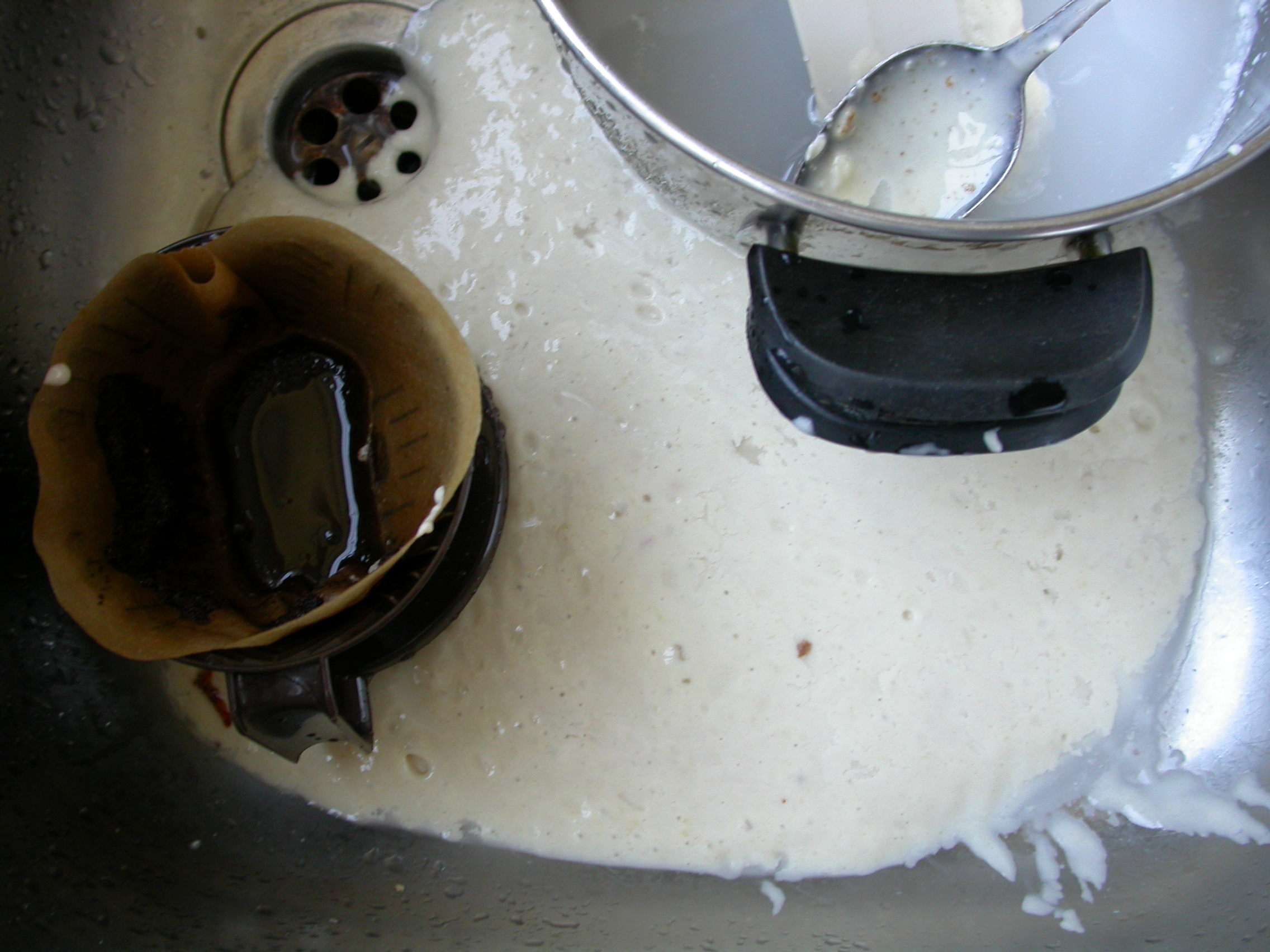
Blocked drains in bathrooms are a common household problem, leading to water pooling, unpleasant odours, and potential damage to the plumbing system. The traditional methods of unclogging drains, such as using a plunger or chemical drain cleaners, are often ineffective, messy, and potentially harmful to the environment. However, recent advancements in technology have revolutionized the way we tackle this issue, offering more effective, efficient, and eco-friendly solutions to blocked drains.

One of the most significant advancements in this field is the development of high-pressure water jetting systems. These systems use a high-pressure water jet to blast through blockages, effectively dislodging and removing the obstruction without damaging the pipes. This method is not only more effective than traditional methods, but also safer for the environment as it does not involve the use of harmful chemicals.

Another notable innovation is the use of cctv drain survey reigate drain surveys. This technology involves inserting a small camera into the drain to locate the blockage, allowing for a more targeted and efficient approach to unclogging. This method minimizes the need for guesswork and unnecessary work, saving time and resources. Furthermore, it allows for early detection of potential issues, preventing more serious problems down the line.

Drain snakes, or drain augers, have also seen significant improvements. Modern drain snakes are equipped with cutting heads that can cut through stubborn blockages like tree roots. Some models even have cameras attached, combining the benefits of a CCTV drain survey with the effectiveness of a drain snake.

The use of natural, enzyme-based drain cleaners is another breakthrough in the field. These cleaners use enzymes or bacteria to break down the blockage, offering a more eco-friendly alternative to chemical drain cleaners. Not only are these products safer for the environment, but they’re also less likely to damage pipes, making them a more sustainable solution in the long run.

In addition to these advancements, there are also new preventative measures available. For example, drain guards and hair catchers can be installed to prevent debris from entering the drain in the first place. These devices are easy to install and clean, making them a simple yet effective solution.

Smart technology has also made its way into the drainage industry. There are now smart drains that can monitor for blockages and alert homeowners when a blockage is detected. Some even have the ability to automatically clear minor blockages, preventing them from becoming more serious issues.

Despite these advancements, education and awareness remain crucial. Understanding what can and cannot be flushed down the toilet or washed down the sink can go a long way in preventing blocked drains. Items like wet wipes, cooking grease, and coffee grounds should never be disposed of in drains as they can easily lead to blockages.

In conclusion, the advances in tackling blocked drains in bathrooms have come a long way. From high-pressure water jetting systems and CCTV drain surveys to enzyme-based drain cleaners and smart drains, these innovations offer more effective, efficient, and environmentally friendly solutions. However, it’s important to remember that prevention is always better than cure. By being mindful of what we dispose of in our drains and taking advantage of preventative measures, we can keep our drains running smoothly and avoid the hassle of dealing with blocked drains.

Kitchen drains are an essential part of our homes that often get overlooked until they become a problem. A blocked drain can cause an unpleasant smell, slow water drainage, and even flooding. Therefore, it’s crucial to know how to unblock a kitchen drain effectively.

The first step in unblocking a kitchen drain is to identify the cause of the blockage. Common culprits include food scraps, grease, and oil, which can build up over time and cause a blockage. Other causes could be foreign objects such as utensils, toys, or even jewelry that have accidentally fallen into the drain.

Once you’ve identified the cause, you can choose the most appropriate method to unblock the drain. Here are some effective strategies for unblocking kitchen drains:

  1. Plunging: This is the most common method used to unblock drains. A plunger can create a strong suction that can dislodge the blockage and allow water to flow freely again. To plunge a kitchen drain, first, make sure there’s enough water in the sink to cover the base of the plunger. Then, place the plunger over the drain and pump vigorously. The pressure created should help to dislodge the blockage.
  2. Using a Plumber’s Snake: If a plunger doesn’t work, you might need to use a plumber’s snake. This is a long, flexible metal rod that can reach deep into the drain to break up a blockage. To use a plumber’s snake, push the end of the snake into the drain and turn the handle to break up the blockage.
  3. Chemical Drain Cleaners: These can be effective for certain types of blockages, but they should be used as a last resort. Chemical drain cleaners can be harmful to the environment and can also damage your pipes if used too often. Always follow the instructions on the package and wear protective clothing when using chemical drain cleaners.
  4. Natural drain unblocking reigate Cleaners: If you prefer a more environmentally friendly approach, you can use a natural drain cleaner. A popular homemade drain cleaner involves using baking soda and vinegar. Pour half a cup of baking soda down the drain followed by half a cup of vinegar. Wait 15-20 minutes and then rinse with hot water.
  5. Professional Help: If all else fails, it might be time to call in a professional plumber. They have the knowledge and tools to handle any drain blockage and can also provide advice on how to prevent future blockages.

Prevention is always better than cure. To prevent kitchen drain blockages, avoid pouring grease or oil down the drain, scrape plates and pots into the trash before washing, and consider installing a drain guard to catch any large items.

Regular maintenance can also help keep your drains clear. Once a week, try running hot water down the drain to help dissolve any potential blockages. Using a natural drain cleaner like baking soda and vinegar once a month can also help keep your drains clear.

In conclusion, unblocking a kitchen drain doesn’t have to be a daunting task. With the right tools and strategies, you can effectively unblock your kitchen drain and prevent future blockages. However, if you’re unsure or the blockage is severe, it’s always best to call in a professional plumber.

A blocked bathroom drain is a common issue encountered in most households. This problem can be a significant inconvenience, causing slow drainage, unpleasant odours, and even potential health risks. This report aims to provide an in-depth understanding of the causes, consequences, and solutions for blocked bathroom drains.

The major causes of blocked bathroom drains are hair, soap, dirt, and small objects. Hair is the primary culprit, often getting tangled into a ball, causing a blockage. Soap and dirt can also build up over time, leading to a blocked drain. Small objects such as jewellery or bottle caps can accidentally fall into the drain, causing an obstruction.

Consequences of a blocked bathroom drain are numerous. Firstly, it can cause water to drain slowly, leading to a build-up of stagnant water in your sink or bathtub. This not only creates an unpleasant environment but can also cause damage to your bathroom fixtures. Moreover, blocked drains can lead to unpleasant odours emanating from the drain. This is caused by the build-up of bacteria and mould, which can also pose potential health risks.

In severe cases, a blocked drain can cause water to back up and overflow, potentially causing water damage to your home. It can also lead to pipe damage if not addressed promptly. Therefore, it is crucial to address blocked drains as soon as they are detected to prevent these problems.

There are several solutions to deal with blocked bathroom drains. The simplest method is to use a plunger. This can often dislodge the blockage and allow water to flow freely again. For more stubborn blockages, a plumber’s snake or hand auger can be used. These tools can reach deeper into the drain to remove the obstruction.

Another solution is to use a homemade drain cleaner. This can be made by combining baking soda and vinegar, which creates a fizzing reaction that can dislodge the blockage. However, this method should be used with caution as it can potentially damage your pipes if used too frequently.

If these methods fail, it may be necessary to call a professional plumber. They have the tools and expertise to handle severe blockages and can also inspect your pipes for any potential damage.

Prevention is always better than cure. To prevent bathroom drains from getting blocked, it’s important to be mindful of what goes down the drain. Avoid washing hair down the drain, and consider using a cctv drain survey reigate guard to catch hair and other debris. Regularly clean your drains with a homemade drain cleaner to prevent the build-up of soap and dirt.

In conclusion, blocked bathroom drains are a common but preventable issue. By understanding the causes and consequences, and by implementing effective solutions and preventative measures, you can keep your bathroom drains flowing freely. Remember, if the blockage is severe or if you’re unsure, it’s always best to call a professional plumber to avoid causing further damage.

In the realm of property maintenance, there are many tasks that can be easily overlooked, but none more so than the essential maintenance of our drainage systems. The importance of maintaining these hidden, yet vital, components of our homes and businesses cannot be overstated. As technology advances, so too does the way we approach these tasks. The latest innovation in this field is the use of Closed Circuit Television (CCTV) for drain surveys, a method that is rapidly gaining traction for its efficiency and accuracy.

A cctv drain survey reigate drain survey is a procedure that involves the use of specially designed waterproof cameras to inspect the condition of drains and sewers. This technology allows professionals to inspect these systems without the need for disruptive and costly excavation. The cameras relay real-time footage to the operator, providing an immediate and detailed view of the inner workings of the drain system.

The primary advantage of a CCTV drain survey is its ability to accurately locate and diagnose issues within the drain system. Traditional methods, such as manual inspection, can often miss small or hard-to-reach problems, leading to bigger issues down the line. In contrast, a CCTV drain survey can pinpoint problems such as blockages, leaks, and structural damage, allowing for targeted and efficient repairs.

Moreover, CCTV drain surveys are not only used for problem detection. They are also invaluable in preventative maintenance. Regular surveys can identify potential issues before they become major problems, saving property owners significant time and money in the long run.

Another crucial aspect of CCTV drain surveys is their role in property purchase assessments. Prospective buyers can use these surveys to check the condition of the property’s drainage system, preventing unpleasant surprises after the purchase. In fact, many mortgage lenders now require a drain survey before approving a loan, highlighting the importance of this technology in the property market.

The environmental impact of drain issues is another factor that underscores the importance of CCTV drain surveys. Leaks and blockages can lead to contamination of the surrounding soil and water sources, posing a significant environmental hazard. By identifying and addressing these issues promptly, we can mitigate their environmental impact.

The implementation of CCTV technology in drain surveys also speaks to a broader trend in the industry: the increasing reliance on technology to improve efficiency and accuracy. As in many other sectors, the use of technology in property maintenance is revolutionising the way we approach tasks that were once manual and time-consuming.

However, despite its many benefits, the adoption of CCTV drain surveys is not without challenges. For one, the initial cost of the equipment can be prohibitive for smaller companies. Moreover, there is a need for trained professionals who can correctly interpret the footage and make accurate diagnoses. As such, ongoing training and development are crucial to ensure the effective use of this technology.

In conclusion, the introduction of CCTV drain surveys represents a significant advancement in the field of property maintenance. It offers a more efficient, accurate, and environmentally friendly method of maintaining and inspecting our drainage systems. As technology continues to evolve, we can expect further improvements and innovations in this vital sector. Despite the challenges, the benefits of CCTV drain surveys are undeniable, making it an investment worth considering for property owners, maintenance companies, and environmental advocates alike.

0

Search for products

Back to Top
Product has been added to your cart