+91-9599376669 24*7 Call | Become A Seller

A blocked kitchen drain is a common household problem that can lead to inconvenience and potential health risks if not addressed promptly. The blockage can be caused by a variety of factors, including food waste, grease, and soap scum. This report aims to provide a detailed understanding of blocked drains in the kitchen, the causes, effects, and the best methods to address and prevent them.

A kitchen sink drain can become blocked due to a combination of food waste, grease, and soap scum. When these substances pass down the drain, they can adhere to the pipe’s interior, gradually building up over time until they cause a blockage. In particular, substances such as cooking oil, coffee grounds, and certain types of food waste are notorious for causing clogs. They can solidify or clump together in the pipe, creating a block that other waste cannot pass.

The effects of a blocked kitchen drain can range from mildly inconvenient to severely problematic. At the least, it may result in slow drainage, which can be a nuisance when washing dishes or preparing meals. At worst, it can lead to a complete blockage, where the water does not drain at all. This can result in a backflow of dirty water, potentially causing water damage or creating a breeding ground for bacteria and other pathogens.

To address a blocked kitchen drain, there are several methods available. The simplest is to use a plunger, which can often dislodge minor clogs. If this is not effective, a plumber’s snake or hand auger can be used to break up the blockage. For more stubborn clogs, a combination of baking soda and vinegar can be poured down the cctv drain survey weymouth. This creates a chemical reaction that can help dissolve the blockage. If all else fails, it may be necessary to call a professional plumber to resolve the issue.

Preventing blocked drains is preferable to dealing with them after they occur. There are several measures that can be taken to prevent clogs in the kitchen drain. Firstly, avoid pouring grease or oil down the drain, as these can solidify and cause blockages. Instead, dispose of them in the trash. Secondly, be mindful of the types of food waste that are put down the drain. Items such as coffee grounds, eggshells, and fibrous vegetables can easily cause clogs. Finally, regularly clean your drain with a mixture of hot water and vinegar to break down any potential build-up.

In conclusion, blocked kitchen drains are a common problem caused by the accumulation of food waste, grease, and soap scum in the pipe. They can cause a range of issues, from slow drainage to a complete blockage, and may require the use of tools or professional assistance to resolve. However, with mindful practices and regular maintenance, it is possible to prevent most drain blockages. By understanding the causes and effects of blocked drains, homeowners can take steps to ensure their kitchen remains functional and hygienic.
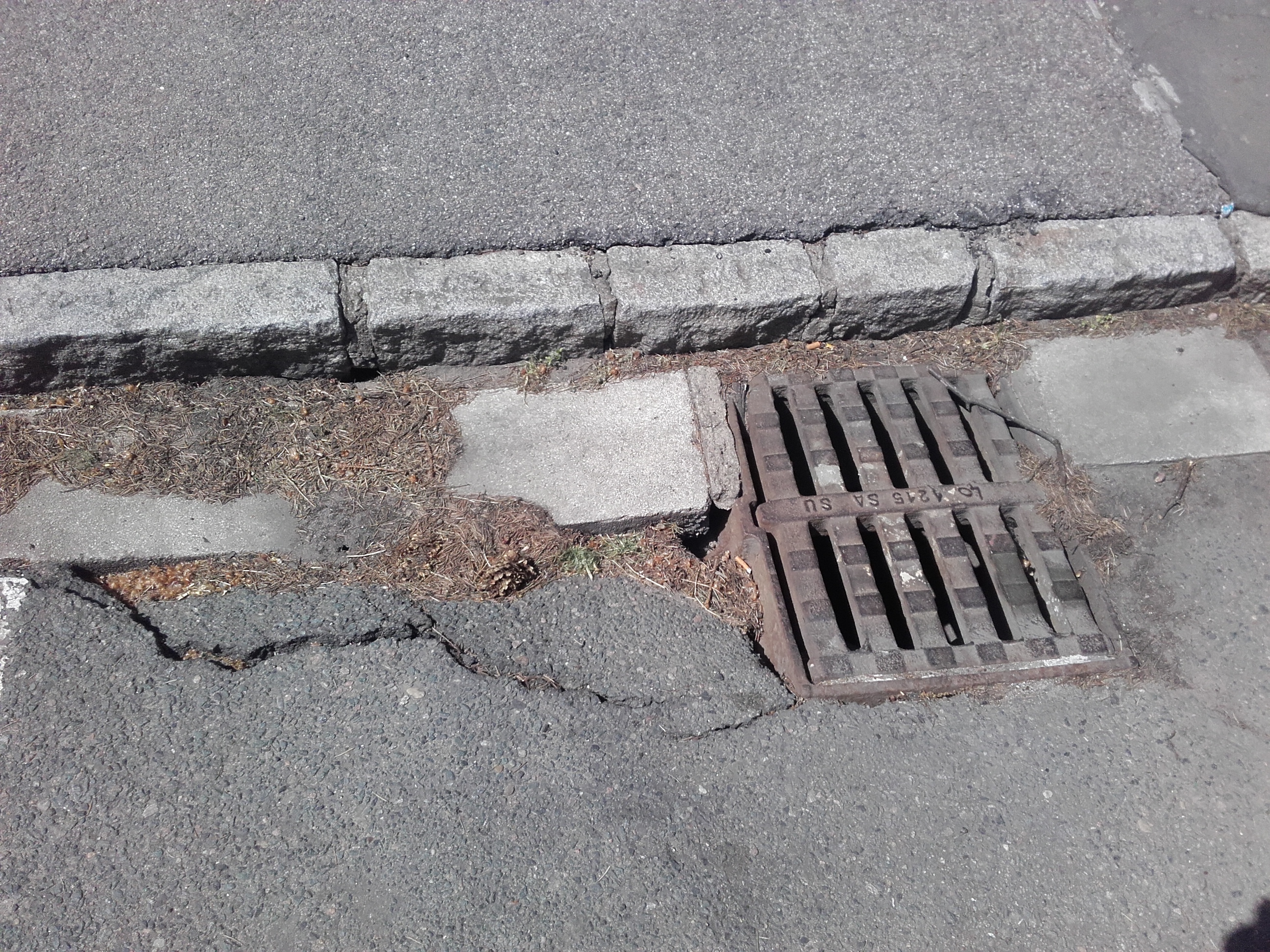
An often overlooked but significant issue in many homes is the problem of blocked drains, particularly in kitchens. This common household problem not only disrupts daily activities but also poses a severe threat to health and hygiene.

The kitchen, the heart of every home, is where meals are prepared and families gather. However, it is also the place most susceptible to drain blockages due to the disposal of food waste, fat, and oil. Without proper maintenance, these substances can accumulate, leading to blocked drains that can cause several issues, including unpleasant odors, potential pipe damage, and even health risks.

Blocked drains can cause water to back up, leading to an unsanitary situation that can attract pests and bacteria. If left untreated, this can lead to health problems such as food poisoning and other gastrointestinal diseases. Moreover, the stagnant water can also become a breeding ground for mosquitoes, further increasing the risk of diseases like dengue and malaria.

In addition to health risks, blocked drains can also cause structural damage to your home. Continuous water backup can lead to pipe bursts, causing water damage to walls, floors, and even the foundation of the house. This can lead to costly repairs and replacements, not to mention the inconvenience and discomfort it brings to the household.

Prevention is undoubtedly better than cure when it comes to blocked drains. Proper waste disposal is the first step towards preventing drain blockages. It is crucial to avoid disposing of food waste, oil, and fat down the drain. Instead, these should be disposed of in a compost bin or the regular trash. Using a drain guard can also help catch any food particles before they go down the drain.

Regular cleaning and maintenance of drains are also essential. Cleaning the drains with a mixture of baking soda and vinegar followed by hot water can help break down and remove any build-up in the pipes. For more stubborn blockages, a plumber’s snake or a hand auger can be used.

However, despite our best efforts, drain blockages can still occur. In such instances, it is advisable to seek professional help. Plumbers have the necessary tools and expertise to handle such situations effectively and efficiently. They can not only clear the blockage but also provide advice on preventing future occurrences.

The importance of maintaining clear drains cannot be overstated. With the ongoing Covid-19 pandemic, hygiene has become more critical than ever. A blocked drain unblocking weymouth can compromise the cleanliness of the kitchen, putting the health of the household at risk.

It is high time that we pay attention to this often overlooked issue. The kitchen is not just a place for cooking; it is a space where health and hygiene should be paramount. It is a place where families gather, stories are shared, and memories are made. It is our responsibility to ensure that this space remains clean, safe, and healthy.

In conclusion, blocked drains in kitchens are more than just an inconvenience; they are a health hazard that requires immediate attention. With proper waste disposal, regular cleaning, and timely professional help, we can keep our drains clear and our kitchens clean. After all, a healthy kitchen is the foundation of a healthy home.

The bathroom, a place of personal hygiene and relaxation, has become a source of concern for many homeowners and renters alike due to an issue that is largely overlooked until it becomes a major problem – blocked drains. This seemingly mundane issue has far-reaching implications, affecting not only the functionality of our homes but also our health and the environment.

Blocked drains are a common problem, with countless households experiencing this issue at least once a year. The cause of these blockages is typically an accumulation of hair, soap scum, dirt, and other debris that gradually builds up over time. This buildup eventually obstructs the free flow of water, leading to slow draining sinks, bathtubs, and showers, which can be a significant inconvenience.

However, the problem goes beyond mere inconvenience. Blocked drains can also lead to more serious issues such as water damage and mold growth. When water cannot flow freely through the drain, it may overflow and seep into the walls and floor, causing significant damage. Furthermore, the damp conditions created by the standing water are a perfect breeding ground for mold, which can have serious health implications, including respiratory problems and allergic reactions.

In addition to the potential health risks and property damage, blocked drains also have environmental implications. When drains are blocked, many people turn to chemical drain cleaners as a quick fix. These products, while effective in clearing blockages, often contain harsh chemicals that can harm the environment. When these chemicals are washed down the drain, they can contaminate water sources, harm aquatic life, and contribute to pollution.

The financial cost of dealing with blocked drains can also be substantial. Depending on the severity of the blockage and the extent of the damage, homeowners may need to hire professional plumbers to clear the blockage and repair any damage caused by the overflow. This can run into hundreds or even thousands of dollars, making blocked drains a costly problem.

Despite the widespread nature of this issue, there is a lack of public awareness about the causes and consequences of blocked drains. Many people are unaware of the simple steps they can take to prevent blockages, such as regularly cleaning their drains and avoiding flushing inappropriate items down the toilet. There is also a lack of understanding about the potential health risks and environmental damage caused by blocked drains and the use of chemical drain unblocking weymouth cleaners.

To address this issue, there is a need for greater public education about the importance of drain maintenance and the dangers of blocked drains. Homeowners and renters should be encouraged to regularly clean their drains and to seek professional help at the first sign of a blockage. Additionally, there should be greater promotion of eco-friendly alternatives to chemical drain cleaners, to help protect our environment.

In conclusion, blocked drains are a hidden menace in our bathrooms. They pose significant health risks, can cause extensive property damage, and have detrimental effects on the environment. It’s time we brought this issue out of the shadows and started taking proactive steps to prevent and address blocked drains in our homes. By doing so, we can protect our health, our homes, and our planet.

A kitchen is the heart of any home, a place where meals are prepared, and memories are made. However, it is also the place that is most prone to various issues, one of the most common being blocked drains. This report aims to provide an in-depth look at the causes, impacts, and solutions for blocked drains in kitchens.

Blocked drains can occur due to a variety of reasons. One of the most common causes is the accumulation of food particles, grease, and oil that goes down the drain. Over time, these substances build up on the inner walls of the pipes, narrowing the passage for water to flow through. This leads to slow drainage and eventually a complete blockage.

Another common cause of blocked drains is the disposal of non-dissolvable substances down the drain. This includes items such as coffee grounds, eggshells, and certain types of produce peels. These substances do not break down in water and can easily get stuck in the pipes, leading to blockages.

The impact of blocked drains in kitchens can range from mild inconveniences to significant issues. At best, a blocked drain can slow down the process of washing dishes or preparing food. At worst, it can lead to water damage, foul odors, and even health risks due to the growth of bacteria and mold.

The first sign of a blocked drain unblocking weymouth is usually slow drainage. If you notice that water is taking longer than usual to drain from your sink, it may be a sign that a blockage is forming. Other signs include unpleasant odors coming from the drain and water backing up out of the drain.

If a blockage is suspected, there are several steps that can be taken to try and clear it. One of the most common methods is using a plunger. This can often dislodge the blockage and allow water to flow freely again. If this does not work, a plumber’s snake or drain auger can be used to physically break up the blockage.

In cases where the blockage is severe or persistent, it may be necessary to call a professional plumber. They have the tools and expertise to effectively clear the blockage without causing further damage to the pipes.

Prevention is always better than cure, and this is certainly true when it comes to blocked drains. To prevent blockages, it is important to be mindful of what goes down the drain. Avoid disposing of grease, oil, and non-dissolvable substances in the sink. Instead, dispose of these items in the trash. Regularly cleaning the drain with hot water and vinegar can also help to prevent build-up on the inner walls of the pipes.

In conclusion, blocked drains in kitchens are a common issue that can cause a range of problems. However, with the right knowledge and practices, they can be effectively managed and prevented. By being mindful of what goes down the drain and regularly cleaning the pipes, you can keep your kitchen functioning smoothly and your home free from the hassles of blocked drains.

Bathroom drains are an integral part of a household’s plumbing system. They are designed to efficiently remove wastewater from our homes. However, they can sometimes become blocked, leading to a host of problems such as slow drainage, foul odors, and potential health hazards. This case study explores the issue of blocked drains in bathrooms, its causes, effects, and solutions.

A common household in the suburbs of New York was used as the subject of this study. The family living in the house regularly experienced blocked drains in their bathrooms. The problem was persistent and caused significant inconvenience, prompting the family to seek professional help.

Causes of Blocked Drains

The primary cause of the blockage was found to be a build-up of hair, soap, and other bathroom products. Hair is a common culprit in bathroom drain blockages as it can easily get trapped in the drain pipe, accumulating over time and creating a blockage. Soap, on the other hand, can leave residue that sticks to the inner walls of the pipes, contributing to the blockage. Other bathroom products like toothpaste, shaving cream, and even small pieces of tissue paper can also build up in the drain and cause a blockage.

In this particular case, the family had a habit of washing their pets in the bathroom, which significantly contributed to the blockage. Pet fur, like human hair, can easily get trapped in the drain and cause a blockage.

Effects of Blocked Drains

Blocked drains can lead to a variety of problems. In this case, the family experienced slow drainage, which made using the bathroom inconvenient. The water would take a long time to drain after a shower or after using the sink, sometimes even leading to minor flooding.

In addition to this, the blockage caused a foul smell that permeated the entire bathroom. The smell was due to the accumulation of waste materials in the drain unblocking weymouth, which could not be properly flushed out due to the blockage.

The blocked drains also posed potential health risks. The stagnant water in the drains could become a breeding ground for bacteria and other harmful microorganisms. These could potentially cause illnesses if not properly addressed.

Solutions to Blocked Drains

Upon identifying the problem, a professional plumber was called in to address the issue. The plumber used a drain snake to dislodge the blockage. This tool, also known as a plumber’s snake, is a flexible auger used to dislodge blockages in household drains.

For more stubborn blockages, the plumber used a high-pressure water jet. This tool uses a high-pressure stream of water to blast through the blockage and clean the inside of the drain pipe.

To prevent future blockages, the family was advised to regularly clean their drains and to be mindful of what they put down them. They were also advised to install drain guards to catch hair and other debris before they enter the drain.

Conclusion

Blocked drains in bathrooms are a common issue that can cause significant inconvenience and potential health risks. However, with regular maintenance and proper use, these issues can be prevented. In cases where a blockage does occur, professional help may be necessary to effectively address the problem.

This case study highlights the importance of understanding the causes and effects of blocked drains and the solutions available. It serves as a reminder that while blocked drains are a common issue, they should not be taken lightly and should be addressed promptly to prevent further problems.

0

Search for products

Back to Top
Product has been added to your cart