
+91-9599376669 24*7 Call | Become A Seller

In today’s fast-paced world, the kitchen has become a sanctuary for many, a place where meals are prepared with love, and family bonds are strengthened. However, a blocked kitchen drain can quickly turn this sanctuary into a source of frustration. A clogged drain is more than just an inconvenience; it can lead to health hazards and costly repairs if not addressed promptly. This article aims to shed light on the importance of regular kitchen drain unblocking and maintenance.

The kitchen drain, often overlooked, plays a crucial role in maintaining the cleanliness and functionality of your kitchen. It ensures that wastewater is efficiently carried away from your home. However, with constant use and exposure to various food particles, fats, oils, and grease, the drain can easily become blocked drains weymouth, leading to slow drainage, unpleasant odors, and even backflow of wastewater.

The impact of a blocked kitchen drain can be far-reaching. Apart from disrupting your daily activities, it can also lead to serious health issues. The stagnant water in a blocked drain provides a perfect breeding ground for harmful bacteria and insects, which can cause diseases. Additionally, the moisture can lead to mold growth, a common allergen that can cause respiratory problems.

Moreover, if left unchecked, a blocked drain can cause water to back up and overflow, leading to water damage. This can result in costly repairs, as you may need to replace damaged cabinets, flooring, and even appliances. Therefore, regular drain unblocking and maintenance are not only essential for maintaining a healthy home but also for avoiding unnecessary expenses.

So, how do you unblock a kitchen drain? The first step is to identify the cause of the blockage. This could be anything from food particles to a buildup of grease or even a foreign object. Once you’ve identified the cause, you can then choose the most suitable method for unblocking the drain.

One of the most common methods is using a plunger. This is effective for minor blockages and can easily dislodge food particles or other small items. However, for more stubborn blockages, you may need to use a plumber’s snake or a hand auger. These tools can reach further into the drain and break up the blockage.

Alternatively, you can use a homemade drain cleaner made from vinegar and baking soda. This is a safe and eco-friendly option that can effectively dissolve grease and food particles. However, for severe blockages, it may be necessary to hire a professional plumber.

Regular maintenance can help prevent blockages in the first place. This includes not disposing of grease or oil down the drain, using a drain strainer to catch food particles, and regularly cleaning your drain with a drain cleaner.

In conclusion, drain unblocking in the kitchen is a necessary maintenance task that should not be overlooked. Not only does it ensure the smooth operation of your kitchen, but it also contributes to a healthy and safe home environment. By taking proactive steps to prevent blockages and addressing any issues promptly, you can save yourself a lot of time, money, and frustration.

Remember, a clean drain is a happy drain, and a happy drain makes for a happy kitchen and a happy home. So, the next time you’re washing dishes or preparing a meal, spare a thought for your kitchen drain. It may not be the most glamorous part of your kitchen, but it’s certainly one of the most important.

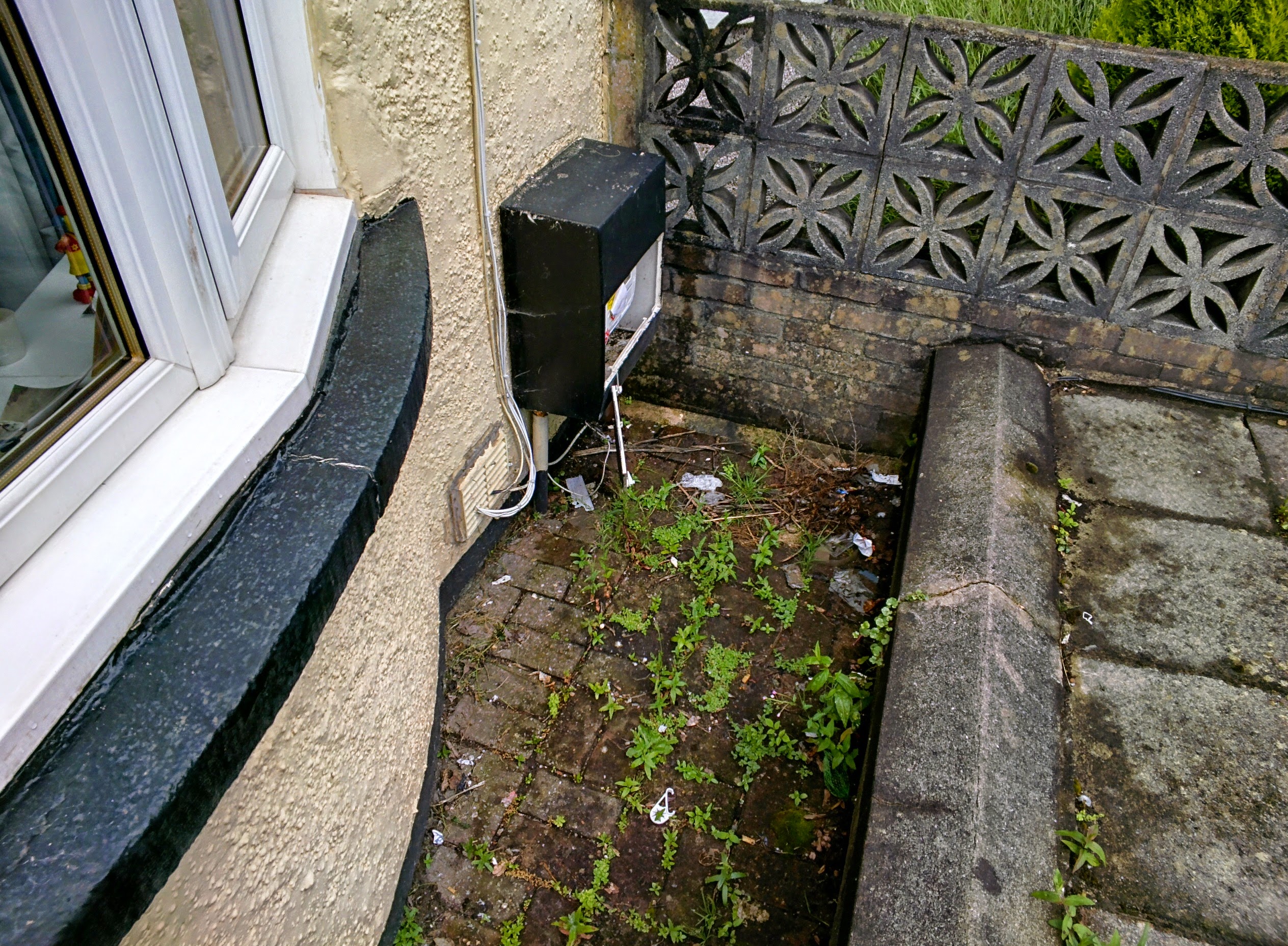
Blocked drains in bathrooms are a common household problem that can cause significant inconvenience and potential health risks if not addressed promptly. This report delves into the causes, consequences, and solutions for this issue.

The first step towards dealing with blocked drains is understanding what causes them. The primary culprits are usually hair, soap, dirt, and small objects. Hair can easily get stuck in the drain unblocking weymouth and, over time, build up to form a blockage. Similarly, soap residue can accumulate and harden in the pipes, causing a blockage. Dirt and small objects can also get trapped in the drain, further contributing to the problem.

In some cases, the blockage could be due to more serious issues like tree roots infiltrating the pipes, or structural issues with the plumbing system. These problems require professional intervention and can be quite costly to fix.

The consequences of blocked drains in bathrooms are numerous. The most immediate and noticeable effect is slow drainage. Water takes longer to drain, and in severe cases, may not drain at all. This can lead to water pooling in the sink, bathtub, or shower, which is not only inconvenient but can also cause damage to the bathroom fixtures and flooring.

Blocked drains can also cause unpleasant odors. This is due to the accumulation of organic matter in the pipes, which can decompose and produce a foul smell. If the blockage is not cleared, the smell can permeate the entire bathroom and even other parts of the house.

Moreover, blocked drains can pose a health risk. The stagnant water and decomposing organic matter can provide a breeding ground for bacteria and other pathogens, potentially leading to infections. Also, the damp conditions created by the water pooling can promote the growth of mold and mildew, which can trigger allergies and other respiratory problems.

So, how can one deal with blocked drains in bathrooms? The simplest solution is to use a plunger. This can dislodge minor blockages and allow water to flow freely again. For more stubborn blockages, a plumber’s snake or hand auger can be used. These tools can reach deeper into the pipe and break up the blockage.

Chemical drain cleaners are also available, but they should be used with caution. These products contain harsh chemicals that can damage the pipes and harm the environment. They should only be used as a last resort, and always according to the manufacturer’s instructions.

For serious blockages or if the above methods are unsuccessful, it’s best to call a professional plumber. They have the tools and expertise to diagnose and fix the problem effectively and safely.

Prevention is always better than cure. To prevent blocked drains, avoid letting hair, soap, dirt, and small objects go down the drain. Regularly clean the drain and use a strainer to catch any potential blockage-causing materials. Also, consider getting regular professional inspections to catch and fix any issues before they become serious problems.

In conclusion, blocked drains in bathrooms are a common but preventable problem. Understanding the causes and consequences can help homeowners take appropriate action to resolve and prevent this issue. Whether it’s using a plunger, calling a plumber, or implementing preventative measures, there are various ways to keep the bathroom drains clear and functioning properly.

As the saying goes, “out of sight, out of mind.” This axiom is particularly true when it comes to the plumbing in our homes. A recent surge in the number of blocked bathroom drains has brought this often overlooked issue into the limelight.

Bathroom drains, the silent workhorses of our homes, are often taken for granted until a problem arises. They tirelessly whisk away water and waste, ensuring our homes stay clean and hygienic. However, when these drains get blocked, the results can be catastrophic, ranging from unpleasant odors to significant water damage.

In the past year, there has been a marked increase in the number of reported drain blockages in bathrooms. Plumbers and drain cleaning companies are working overtime to cope with the influx of calls from distressed homeowners.

The reasons behind this surge are manifold. The primary cause is the incorrect disposal of items down the bathroom drains. Many people mistakenly believe that their drains can handle anything they throw at it. This is a common misconception that leads to blockages.

Items such as hair, dental floss, cotton swabs, and even so-called ‘flushable’ wipes can accumulate in the drain over time, causing a blockage. Fat, oil, and grease, often washed down the bathroom sink after shaving or applying lotions, can also solidify in the pipes and act as a magnet for other debris, exacerbating the problem.

Another contributing factor is the increase in the number of people spending more time at home due to the ongoing pandemic. With more people using the bathroom facilities throughout the day, there is an increased likelihood of drains becoming blocked.

The impact of a blocked drain goes beyond the inconvenience of a slow-draining sink or a toilet that won’t flush. It can lead to serious health hazards. Stagnant water in blocked drains can become a breeding ground for bacteria and insects, posing a risk to the health of the home’s occupants.

Moreover, if left untreated, a blocked drains weymouth drain can cause water or sewage to back up and overflow, leading to water damage. This can be particularly devastating, causing structural damage to the home and resulting in expensive repair bills.

Preventing bathroom drain blockages is not a difficult task. It requires a change in habits and a little vigilance. Homeowners should be mindful of what they flush down their toilets and wash down their sinks. A simple rule of thumb is to only flush the three P’s – pee, poop, and (toilet) paper.

Regular maintenance can also help prevent blockages. This includes using drain cleaners regularly and having a professional plumber inspect the drains periodically to ensure they are in good working order.

In the event of a blockage, it is advisable to call a professional immediately. While there are numerous DIY solutions available, these can often exacerbate the problem if not used correctly. A professional plumber has the knowledge and tools to effectively and safely remove the blockage, preventing further damage.

The surge in bathroom drain blockages is a stark reminder of the importance of proper drain maintenance. By being mindful of what we dispose of in our drains and ensuring regular maintenance, we can keep our drains running smoothly and avoid the unpleasant consequences of a blockage.

In conclusion, while the increase in blocked bathroom drains is a cause for concern, it is a problem that can be easily prevented. Through education and awareness, we can ensure that our drains continue to serve us well, keeping our homes clean, hygienic, and free from the potential hazards posed by blocked drains.

CCTV drain surveys are a crucial part of maintaining and managing drainage and sewer systems. They offer a non-destructive and cost-effective way to identify problems and determine the best solutions. This article delves into the details of CCTV drain surveys, their importance, the process involved, and the benefits they offer.

A CCTV drain survey, also known as a drain inspection or sewer inspection, is a procedure that involves the use of cameras to inspect the condition of drains, sewers, and pipes without the need for excavation or digging. The process is designed to identify blockages, damages, leaks, or faults within the drainage system that could potentially cause significant problems if not addressed promptly.

The importance of CCTV drain unblocking weymouth surveys cannot be overstated. They are essential for diagnosing and rectifying problems quickly and accurately. Without this technology, identifying the exact location and nature of a drain problem would be a difficult, time-consuming, and costly process that would often involve unnecessary digging and disruption.

The process of a CCTV drain survey involves the use of a specially designed waterproof camera. This camera is inserted into the drain or sewer, and it sends real-time images to a monitor. The operator can then inspect the condition of the drain, look for any signs of damage or blockage, and determine the best course of action. The entire process can be recorded, allowing for further analysis and providing a visual proof of the condition of the drain before and after any work is carried out.

One of the main benefits of a CCTV drain survey is the ability to identify problems early before they escalate into more serious issues. For instance, minor blockages can be identified and cleared before they cause a complete blockage. Similarly, small cracks or damage can be detected and repaired before they cause a significant leak or structural failure.

In addition to problem detection, CCTV drain surveys are also useful for routine maintenance checks. Regular inspections can help ensure that the drainage system is in good condition and operating efficiently. They can also provide peace of mind to property owners, particularly those who own older properties where the condition of the drains may be unknown.

CCTV drain surveys are also invaluable when buying or selling a property. They can provide a detailed picture of the condition of the property’s drainage system, highlighting any potential problems or necessary repairs. This information can be crucial in negotiations, potentially saving buyers thousands in unexpected repair costs.

Furthermore, CCTV drain surveys can provide accurate mapping of drainage systems. This can be particularly useful for larger properties or commercial sites where the layout of the drainage system may be complex. Accurate mapping can help with planning for extensions or renovations, and it can assist in the event of a drainage emergency.

In conclusion, CCTV drain surveys are an essential tool in the maintenance and management of drainage systems. They offer a non-invasive, cost-effective, and accurate method of identifying and resolving issues, preventing potential problems, and ensuring the efficient operation of drains and sewers. Whether you’re a homeowner, a potential buyer, or a property manager, a CCTV drain survey can provide valuable insights into the state of your drainage system and help you avoid costly future problems.

The kitchen is the heart of every home, a place where meals are prepared, and memories are made. However, it can also be the site of numerous plumbing problems, especially blocked drains. This case study aims to provide a comprehensive analysis of a common issue faced by many households: blocked kitchen drains.

In this case study, we will examine the experience of the Smith family, who live in a suburban neighborhood in Seattle, Washington. The Smiths encountered a persistent problem with their kitchen drain, which became a significant inconvenience for them.

The problem started when Mrs. Smith noticed that the kitchen sink was draining slower than usual. She initially dismissed it as a minor issue that would resolve itself eventually. However, over the next few days, the problem worsened to the point that the water would not drain at all. This led to the disruption of their daily routine, as they could not use the sink for washing dishes or preparing meals.

The Smiths tried to address the problem using common home remedies. They used a plunger in an attempt to remove the blockage, but it proved unsuccessful. They also tried using a mixture of baking soda and vinegar, a popular DIY solution for unclogging drains. This method seemed to improve the situation temporarily, but the problem soon returned.

Frustrated and unsure of what to do next, the Smiths decided to call a professional plumber. The plumber inspected the drain and discovered that the blockage was due to a build-up of grease, food particles, and other debris. This accumulation had hardened over time, making it difficult for water to pass through.

The plumber used a drain snake, a tool specifically designed to unclog drains, to remove the blockage. He also used a high-pressure water jet to clean the pipes thoroughly and ensure that no residue was left behind.

After the plumber’s intervention, the Smiths’ kitchen drain was back to normal, and they could resume their regular activities. They were advised to avoid disposing of oil, grease, and food particles in the sink to prevent future blockages. They were also recommended to clean their drain regularly with hot water to dissolve any potential build-up.

This case study of the Smith family highlights the importance of proper drain maintenance. It also underscores the need for professional intervention when home remedies fail to address the problem.

It’s important to note that blocked drains are not only inconvenient but can also lead to more serious issues if not addressed promptly. They can cause water to back up and overflow, leading to water damage. They can also result in the growth of mold and mildew, which can pose health risks.

In conclusion, the case of the Smith family serves as a valuable lesson for all homeowners. It emphasizes the importance of early detection and intervention in the case of blocked drains weymouth kitchen drains. It also highlights the effectiveness of professional plumbing services in resolving such issues.

While DIY methods can be useful in handling minor blockages, they may not be effective in dealing with severe or persistent problems. Therefore, it’s always advisable to seek professional help when facing such issues.

The Smiths’ experience also underscores the importance of preventive measures in maintaining a functional and efficient kitchen drain system. By avoiding the disposal of certain materials in the sink and regularly cleaning the drain, homeowners can significantly reduce the risk of blockages.

This case study serves as a reminder that while blocked kitchen drains are a common issue, they can be effectively managed and prevented with the right practices and professional assistance.

0

Search for products

Back to Top
Product has been added to your cart