
+91-9599376669 24*7 Call | Become A Seller

Blocked drains in showers are a common household problem that can cause significant inconveniences and potential damages if not addressed promptly. They can lead to water pooling around your feet in the shower, slow drainage, and even complete blockage, which can be very frustrating. This report aims to discuss the causes, effects, and solutions for blocked shower drains.

One of the primary causes of blocked drains in showers is the accumulation of hair. As people shower, loose strands of hair can fall out and go down the drain unblocking wealden. Over time, these strands can clump together and form a blockage. Similarly, soap scum can also lead to blocked drains. Soap residue can stick to the walls of the pipes and gradually build up, narrowing the passage for water and causing a blockage.

Another common cause of blocked drains is the buildup of mineral deposits. If your water supply has a high mineral content, known as hard water, these minerals can accumulate in your pipes over time and cause blockages. Furthermore, small objects, such as jewelry or bottle caps, can accidentally fall into the drain and cause a blockage.

Blocked drains in showers can lead to several problems. The most immediate and noticeable problem is slow drainage, which can be quite inconvenient. It can also lead to water pooling in your shower, which increases the risk of slips and falls. If left unaddressed, blocked drains can lead to more serious problems. The water can seep into your walls and floor, causing water damage and potentially leading to the growth of mold, which can pose health risks.

Fortunately, there are several solutions for blocked drains in showers. The first step is to try to remove the blockage manually. This can often be done using a plunger or a plumber’s snake. If this doesn’t work, you can try using a drain cleaner. These are chemical solutions that are designed to dissolve blockages. However, they should be used with caution, as they can be harmful if they come into contact with your skin or eyes.

If the blockage is due to mineral deposits, you might need to use a special type of drain cleaner designed to dissolve minerals. Alternatively, you could consider installing a water softener to reduce the mineral content in your water supply and prevent future blockages.

If you’re unable to clear the blockage yourself, it’s advisable to call a professional plumber. They have the tools and expertise to deal with blocked drains effectively and can ensure that the problem is resolved without causing further damage to your plumbing system.

Prevention is always better than cure, and this is certainly true when it comes to blocked drains in showers. Regularly cleaning your shower drain can help to prevent blockages. This can be done by removing hair and other debris from the drain cover after each use and using a drain cleaner periodically.

In conclusion, blocked drains in showers are a common problem that can be caused by a variety of factors, including hair, soap scum, mineral deposits, and small objects. They can lead to a range of problems, from slow drainage and water pooling to water damage and mold growth. However, there are several solutions available, from manual removal and drain cleaners to professional plumbing services. Regular cleaning can also help to prevent blockages from occurring in the first place.
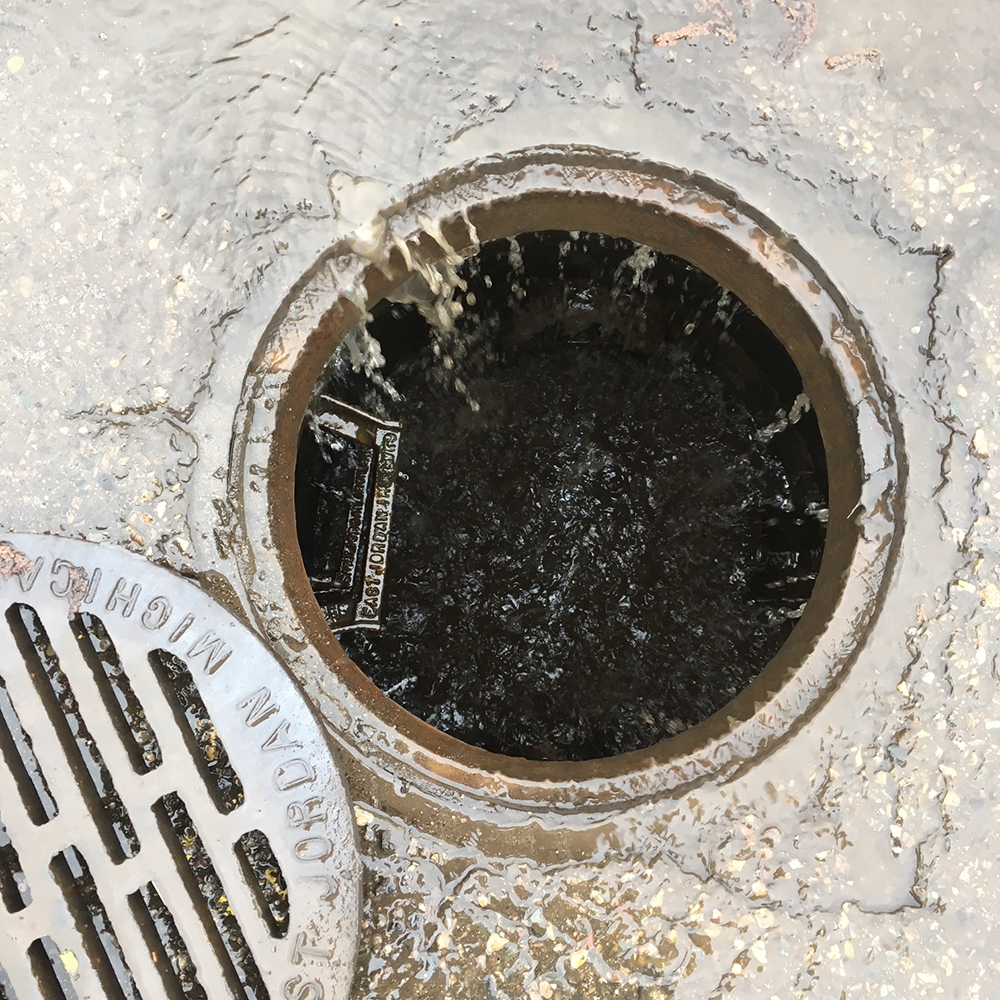
The kitchen, often referred to as the heart of the home, is a place where meals are prepared, and families gather to share food and love. However, it can also be a source of frustration when problems arise, such as blocked drains. Blocked drains in the kitchen can lead to a host of issues, including foul odours, potential health hazards, and costly repairs if not addressed promptly. This report aims to provide a comprehensive overview of the problem of blocked drains in the kitchen, its causes, implications, and possible solutions.

One of the primary causes of blocked kitchen drains is the improper disposal of food waste. Many people mistakenly believe that the kitchen sink is a suitable place to dispose of all types of food waste. However, certain types of food debris, such as coffee grounds, eggshells, and grease, can accumulate over time and lead to blockages. Similarly, large food particles should not be washed down the drain as they can easily get stuck and cause a blockage.

Another contributing factor to blocked kitchen drains is the accumulation of fat, oil, and grease, collectively known as FOG. When these substances are poured down the drain, they solidify and stick to the inner walls of the pipes, gradually leading to a blockage. The problem is exacerbated when hot water is used to wash down FOG, as it cools and solidifies in the pipes.

Blocked drains can have several negative implications. Firstly, they can lead to slow drainage, which can be very frustrating. This can also lead to water pooling in the sink, making it difficult to use for daily tasks. Secondly, blocked drains can create unpleasant odours, as the food debris trapped in the pipes begins to decompose. Lastly, in severe cases, blocked drains can cause leaks or even burst pipes, leading to potentially costly repairs.

Prevention is always better than cure, and this is particularly true when it comes to blocked drains. One of the most effective ways to prevent blocked drains wealden drains is to be mindful of what goes down the drain. Avoid disposing of food waste in the sink, especially FOG and hard food particles. It’s also a good idea to use a sink strainer to catch any food debris.

Regular cleaning can also help prevent blockages. This can be done using a plunger, a plumber’s snake, or a hand auger. For more stubborn blockages, a mixture of baking soda and vinegar can be poured down the drain, followed by hot water.

However, if the blockage persists, it’s advisable to call in a professional plumber. They have the necessary tools and expertise to effectively clear the blockage without causing any damage to the pipes.

In conclusion, blocked drains in the kitchen are a common problem caused by the improper disposal of food waste and the accumulation of FOG. They can lead to a host of issues, including slow drainage, unpleasant odours, and in severe cases, leaks or burst pipes. However, with proper disposal practices and regular cleaning, it’s possible to prevent and address this issue. When all else fails, a professional plumber can provide an effective solution.

In the heart of every home, the kitchen serves as a vibrant hub of activity, from cooking and baking to socializing and creating memories. However, one aspect of kitchen maintenance that often goes unnoticed until it becomes problematic is the kitchen drain. This article aims to shed light on the vital role of drain unblocking in kitchen maintenance, and why it should be an integral part of your routine housekeeping.

Every day, an average kitchen drain swallows a significant amount of debris, from food scraps to grease and soap. Over time, these materials can build up, leading to blockages that can disrupt the smooth operation of your kitchen. Not only can a blocked drain cause unpleasant odors and water backup, but it can also lead to more severe issues like pipe damage and costly repairs.

The first step in preventing kitchen drain blockages is understanding what should and should not go down your drain. Despite their seemingly harmless nature, certain food items are notorious for causing blockages. These include coffee grounds, eggshells, pasta, rice, and oils or fats that can solidify and stick to the inside of the pipes.

Regular cleaning is another crucial aspect of drain maintenance. A simple practice like running hot water down the drain unblocking wealden after each use can help dislodge any potential blockages. Additionally, a mixture of vinegar and baking soda can serve as a natural and effective drain cleaner. Pour half a cup of baking soda into the drain, followed by half a cup of vinegar, and let it sit for 15-20 minutes before rinsing with hot water. This simple recipe can help break down stubborn blockages and keep your drain running smoothly.

In cases where the blockage persists despite your best efforts, it might be time to call in a professional. Professional plumbers have the necessary tools and expertise to handle more severe blockages and can even provide valuable advice on preventing future issues. Remember, attempting to fix a severe blockage yourself can sometimes lead to more damage, so it’s always best to consult a professional when in doubt.

While it might seem like a minor detail, a well-maintained drain can significantly impact the overall functionality and hygiene of your kitchen. A blocked drain can become a breeding ground for bacteria, leading to potential health risks. Therefore, regular drain cleaning should be seen not only as a maintenance task but also as a crucial step in ensuring the health and safety of your household.

In conclusion, drain unblocking is an often overlooked yet essential aspect of kitchen maintenance. By understanding what causes blockages and incorporating regular cleaning into your routine, you can ensure that your kitchen remains a clean, functional, and pleasant space. Remember, a little maintenance goes a long way in preventing bigger problems down the line.

So the next time you’re in your kitchen, spare a thought for your drain. It may not be the most glamorous part of your kitchen, but it’s certainly one of the most important. With a little care and attention, you can keep your drain running smoothly, ensuring that your kitchen remains the heart of your home.

0

Search for products

Back to Top
Product has been added to your cart