+91-9599376669 24*7 Call | Become A Seller

Blocked drains are a common issue in many households and can occur in any part of the plumbing system. However, they are especially prevalent in bathrooms due to the nature of the waste that goes down the drains. Hair, soap scum, and other debris can easily clog up the drains, leading to slow drainage or even complete blockages. This article will delve into the issue of blocked bathroom drains, discussing their causes, impacts, and solutions.

The main causes of blocked bathroom drains are hair, soap, and dirt. Hair is the most common culprit, as it can easily get tangled and caught in the drain, building up over time and causing a blockage. Soap is another common cause, as it can combine with minerals in the water to form a hard residue known as soap scum, which can stick to the sides of the pipes and cause blockages. Dirt and other debris can also accumulate in the drain, further contributing to the problem.

blocked drains weymouth drains can have several negative impacts. Firstly, they can lead to slow drainage, which can be very frustrating and inconvenient. If the blockage is severe, it can even lead to a complete stoppage of water flow, making it impossible to use the sink or shower. In addition to this, blocked drains can also lead to unpleasant odors, as the trapped debris can start to decompose over time. In severe cases, blocked drains can even lead to water damage or flooding, which can be very costly to repair.

There are several ways to address blocked bathroom drains. The first step is to try to remove the blockage manually. This can often be done using a plunger, a plumber’s snake, or a hand auger. If the blockage is due to hair, it may be possible to remove it using a special tool known as a drain snake or hair catcher. If these methods are unsuccessful, it may be necessary to use a chemical drain cleaner. However, these should be used as a last resort, as they can be harmful to the environment and can also damage the pipes if used excessively.

In addition to these methods, there are also several preventative measures that can be taken to avoid blocked drains. One of the most effective is to use a drain cover or hair catcher, which can catch hair and other debris before it goes down the drain. It is also important to avoid putting things down the drain that shouldn’t be there, such as grease, oil, or food scraps. Regularly cleaning the drain with hot water can also help to prevent blockages.

In conclusion, blocked bathroom drains are a common but preventable issue. By understanding the causes and impacts of blocked drains, and by taking the appropriate preventative measures, it is possible to keep the bathroom drains flowing freely and avoid the inconvenience and potential damage caused by blockages. However, if a blockage does occur, it is important to address it promptly to prevent further problems.

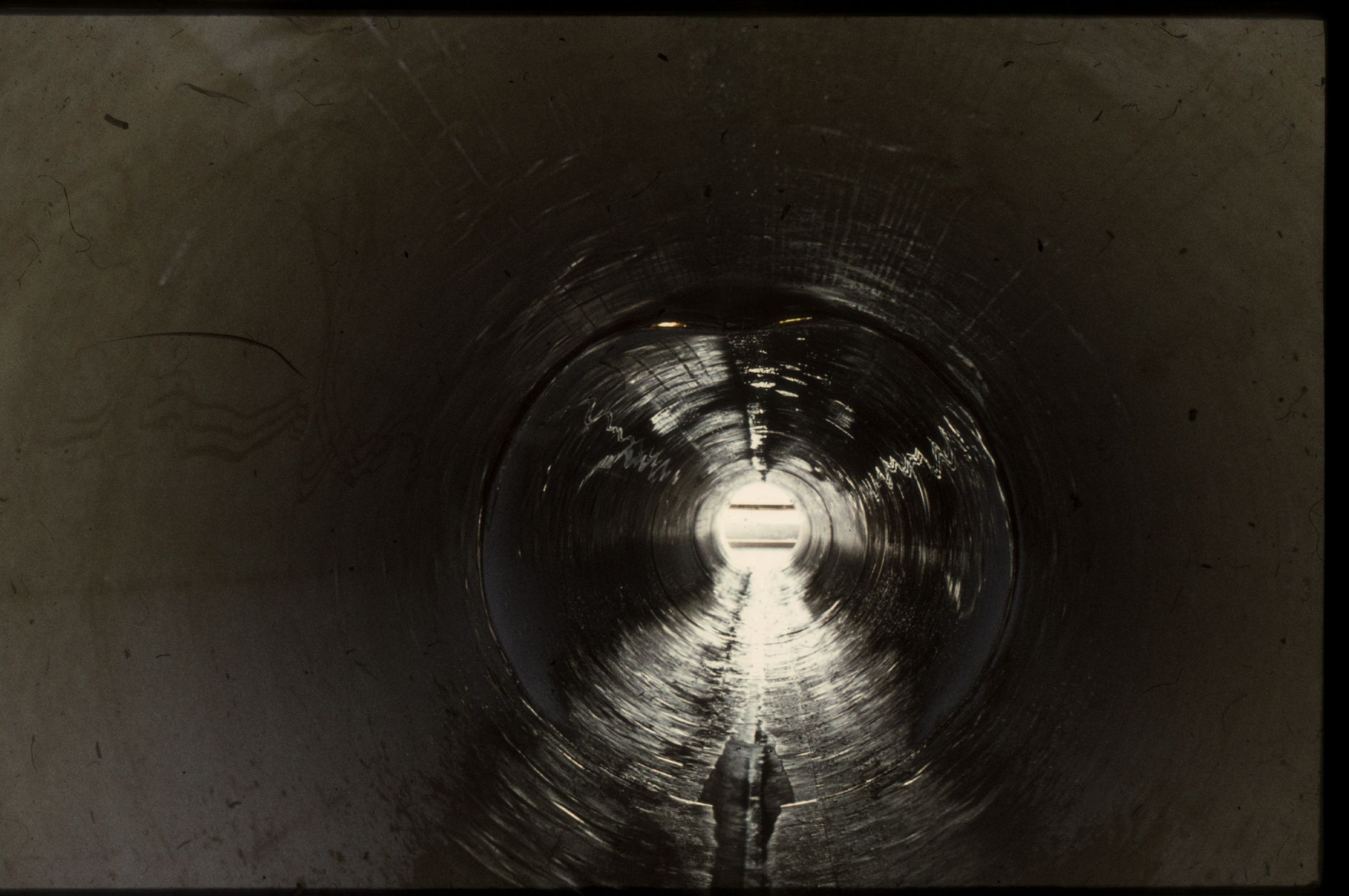
Over the past few years, the plumbing industry has experienced a significant technological revolution, primarily due to the advent and advancements in CCTV drain survey technology. This technology has transformed the way professionals diagnose and address drainage problems, making the process faster, more accurate, and less invasive.

A Closed-Circuit Television (CCTV) drain survey is a process that employs a high-tech, waterproof camera system to inspect the condition of drains, sewers, and pipelines. This technology is a game-changer for the industry, providing a non-destructive method of identifying blockages, leaks, and other issues within a drainage system.

One of the most notable advancements in CCTV drain survey technology is the improved camera quality. Early versions of these systems offered low-resolution images, which were often insufficient for identifying small or complex problems. However, the latest CCTV drain survey systems feature high-definition cameras that can capture detailed images and videos of the drain’s interior. This improvement allows professionals to identify even the smallest cracks, leaks, or blockages, leading to more accurate diagnoses and effective solutions.

Another significant advancement is the integration of sonar technology into CCTV drain survey systems. Sonar technology uses sound waves to map the interior of a drain or sewer, providing valuable information about its condition, even when the camera’s view is obstructed by debris or water. This feature is particularly useful for inspecting large or complex drainage systems, where visual inspection alone may not be sufficient.

The use of software has also greatly enhanced the capabilities of CCTV drain surveys. Modern systems are equipped with sophisticated software that can analyze the captured images and videos, identify potential issues, and generate detailed reports. This software can also be used to create 3D models of the drainage system, providing a comprehensive view of its condition and facilitating more effective planning and repair work.

Advancements in portability and ease of use are other key features of modern CCTV drain survey systems. Traditional methods of inspecting drains were often bulky and required significant manpower. However, today’s systems are compact, lightweight, and easy to maneuver, making them suitable for use in a wide range of environments, from residential properties to large industrial sites.

Furthermore, the digitization of data has made it easier for professionals to share and interpret the results of a CCTV drain survey. Instead of relying on handwritten notes or memory, professionals can now store, share, and review digital images and videos, making the process more efficient and reducing the risk of errors.

Another significant advance is the incorporation of robotic technology into CCTV drain surveys. Robotic cameras can navigate through complex drain networks, reaching areas that would be inaccessible to human operators. These robots can also perform tasks such as cleaning and repairing, making the process even more efficient.

Lastly, the integration of GPS technology into CCTV drain survey systems has also been a significant advancement. This feature allows professionals to pinpoint the exact location of a problem within a drainage system, saving time and resources that would otherwise be spent on unnecessary excavation work.

In conclusion, the advancements in cctv drain survey weymouth drain survey technology have revolutionized the plumbing industry. High-definition cameras, sonar technology, sophisticated software, portability, digital data, robotic technology, and GPS integration have all contributed to making drain surveys more accurate, efficient, and less invasive. These advancements are not only beneficial for professionals in the industry but also for customers, who can now benefit from faster, more reliable, and less disruptive services.

In the contemporary world, technology has become an integral part of various sectors, including the drainage and sewerage industry. The use of Closed-Circuit Television (CCTV) for drain surveys has revolutionized the way drainage issues are identified and resolved. This case study focuses on a specific instance where a CCTV drain survey was employed to diagnose and rectify a persistent drainage problem in a commercial building in London, UK.

The commercial building, a large office complex, had been experiencing recurring drainage issues that were causing significant disruption to its daily operations. Traditional methods of diagnosing the problem, such as manual inspections and drain rodding, had proven ineffective. The building management decided to opt for a more advanced solution and called in a drainage specialist company known for its expertise in CCTV drain surveys.

The CCTV drain survey involves the use of specially designed waterproof cameras to inspect the condition of drains and sewers. The camera is inserted into the drain and remotely controlled to navigate through the drain system. The real-time video feed is recorded and analyzed to identify any issues such as blockages, leaks, or structural damage.

In this case, the drainage specialists began by conducting a comprehensive CCTV survey of the building’s entire drainage system. The high-resolution images provided by the CCTV cameras allowed them to identify the root cause of the problem – a significant blockage in a section of the drain that was not easily accessible. The blockage was caused by a buildup of debris and grease, which had been exacerbated by the high volume of waste water generated by the building’s occupants.

Once the problem was identified, the next step was to devise a plan to remove the blockage and prevent future occurrences. The drainage specialists used the CCTV footage to determine the exact location and extent of the blockage, which enabled them to use targeted methods to clear it. They used high-pressure water jetting, a technique that involves blasting water at high pressure into the drain to dislodge and remove the blockage.

The CCTV drain survey also revealed several minor issues in different parts of the drainage system, such as small leaks and cracks. These issues were not the primary cause of the drainage problems in the building, but if left unaddressed, they could have developed into more serious problems in the future. The drainage specialists were able to carry out repairs to these areas, effectively preventing future problems and potential damage.

Following the successful resolution of the drainage issues, the building management decided to incorporate regular CCTV drain surveys into their maintenance routine. This proactive approach allows them to identify and address potential issues before they escalate, thereby ensuring the smooth operation of the building’s drainage system and minimizing disruption to their operations.

This case study exemplifies the effectiveness of CCTV drain surveys in diagnosing and resolving drainage issues. The use of this technology not only provides a more accurate diagnosis but also enables targeted and efficient solutions. It also highlights the potential of CCTV drain surveys for preventative maintenance, demonstrating how regular surveys can help maintain the health of a drainage system and prevent future issues.

In conclusion, the use of cctv drain survey weymouth drain surveys represents a significant advancement in the drainage and sewerage industry. By providing a clear and accurate view of the internal condition of drains and sewers, this technology allows for more effective problem-solving and maintenance. As demonstrated in this case study, the benefits of CCTV drain surveys extend beyond immediate problem resolution to long-term preventative maintenance, making it a valuable tool for any building or property.

Blocked shower drains are a common problem in many households, often causing inconvenience and frustration. Traditionally, solutions have involved using a plunger, chemical drain cleaners, or calling in a professional plumber. However, recent advances in technology have introduced innovative solutions that are more effective and environmentally friendly. This article explores these new developments and how they are revolutionizing the way we deal with blocked drains in the shower.

The root cause of blocked shower drains is typically a buildup of hair, soap, and other debris. Traditional methods of dealing with this problem have had variable success rates. Plungers can be effective for minor blockages but are often insufficient for more severe issues. Chemical drain cleaners, while potent, can be harmful to the environment and may damage pipes over time. Professional plumbing services are generally reliable but can be costly and inconvenient.

The first significant innovation in this area is the development of specialized drain cleaning tools. These devices, such as the FlexiSnake Drain Millipede and the Drainx Pro Drain Auger, have been designed specifically to deal with the unique challenges posed by shower drains. They are long, flexible, and have multiple hooks or bristles that can effectively gather and remove hair and other debris. These tools are easy to use, highly effective, and eliminate the need for harmful chemicals.

Another significant development is the advent of smart drain monitors. Devices like the Moen Flo Smart Water Detector and the Phyn Plus Smart Water Assistant can be installed in your shower drain to monitor for blockages. These devices use sensors to detect changes in water flow and pressure that may indicate a blockage. When a potential issue is detected, the device sends an alert to your smartphone, allowing you to address the problem before it becomes severe. This proactive approach can save time and money, and prevent the inconvenience of a fully blocked cctv drain survey weymouth.

Bio-enzymatic drain cleaners are another innovative solution for blocked shower drains. Unlike traditional chemical drain cleaners, these products use natural enzymes or bacteria to break down the blockage. Products like Bio-Clean Drain Septic Bacteria and Green Gobbler Enzyme Drain Cleaner are non-corrosive, safe for all types of pipes, and environmentally friendly. They are also highly effective, often able to clear blockages that traditional methods cannot.

The final innovation worth mentioning is the development of preventative measures. Drain covers, for instance, have been around for a while, but new designs like the TubShroom and the OXO Good Grips Silicone Drain Protector have improved upon the concept. These products fit snugly into the drain and are designed to catch hair and other debris before it can cause a blockage. They are easy to clean and replace, making them a simple and effective way to prevent blocked shower drains.

In conclusion, the issue of blocked shower drains has seen significant advancements in recent years. From specialized cleaning tools and smart drain monitors to bio-enzymatic cleaners and improved preventative measures, these innovations are making it easier than ever to keep shower drains clear. They offer a more effective, environmentally friendly, and proactive approach to dealing with this common household issue. As technology continues to advance, we can expect to see even more innovative solutions to this age-old problem.

The bathroom, often considered a sanctuary for personal hygiene and relaxation, is under siege. The culprit is not a visible enemy but a hidden menace that lurks in the shadows of our drainage system: blocked drains. This issue, while seemingly benign, can lead to significant problems if not addressed promptly.

Blocked drains in the bathroom are a common problem faced by homeowners and tenants alike. They can be caused by a variety of factors, all of which are largely preventable. The most common cause is the buildup of hair, soap, and other debris in the drain. Over time, these substances accumulate and form a blockage that prevents water from flowing freely.

The impact of blocked drains can be far-reaching. The most immediate and noticeable effect is the slow draining of water, which can be a significant inconvenience. More worryingly, blocked drains can also lead to more serious issues such as water damage and mould growth. These can not only affect the structural integrity of your home but also pose health risks.

Water damage can result in costly repairs and replacements. In severe cases, it can even affect the structural integrity of your home. Mould growth, on the other hand, can lead to a variety of health issues. Exposure to mould can cause allergic reactions and respiratory problems, particularly in individuals with pre-existing health conditions.

Despite the risks, many people neglect the issue of blocked drains until it becomes a significant problem. This is often due to a lack of awareness about the potential consequences or the mistaken belief that the problem will resolve itself over time. However, blocked drains are unlikely to clear without intervention and the delay can exacerbate the issue.

The good news is that blocked drains are largely preventable. Regular cleaning and maintenance of your drains can go a long way in preventing blockages. This includes removing hair and other debris from your drains regularly and avoiding the disposal of inappropriate items down the drain. For example, flushing items such as baby wipes, sanitary products, and cooking grease down the cctv drain survey weymouth can lead to blockages.

In addition to prevention, early detection and prompt action are crucial in managing blocked drains. Signs of a blocked drain include slow draining water, unpleasant odours, and gurgling sounds from your drain. If you notice any of these signs, it is advisable to seek professional help immediately.

There are also numerous products and home remedies available for clearing blocked drains. However, these should be used with caution. While they can be effective in clearing minor blockages, they can also cause damage to your pipes if used incorrectly. In severe cases, professional drain cleaning services may be required.

In conclusion, blocked drains are a common but preventable problem that can have serious consequences if not addressed promptly. Regular cleaning and maintenance, coupled with early detection and prompt action, are key in managing this issue. By taking these steps, you can ensure that your bathroom remains a sanctuary of cleanliness and relaxation, free from the menace of blocked drains.

0

Search for products

Back to Top
Product has been added to your cart